

Bonka Bird Toys Blog
Keep your feathered friends entertained and active with these tried-and-true favorites.
Looking for a toy your bird will actually play with? We dug through reviews and feedback to find Bonka Bird Toys that truly delight parrots. In this guide you’ll find our customer‑favorite picks, learn why birds go crazy for them and get tips on choosing safe, enriching toys. Give your companion the mental and physical stimulation they crave.

What You’ll Learn
Why Customers Love These Toys
Birds are intelligent, active animals that need daily mental and physical stimulation. Without toys and enrichment they can become stressed and bored, which leads to unwanted behaviors like feather plucking, screeching and pacing. The toys featured here have earned glowing reviews because they encourage natural behaviors: chewing, shredding, foraging and climbing. Customers report that their parrots spend hours pulling apart sola fibers, untying leather knots and exploring hidden treats. Choosing the right toy doesn’t just keep your bird busy—it promotes well‑being and prevents behavioral problems.
Our top picks use natural materials that birds instinctively love. For example, toys made with 100% natural fiber ropes like jute or sisal are safe when maintained properly. Lightweight wood pieces allow birds to satisfy their urge to chew, and bright colors applied with food‑grade dyes attract attention while remaining non‑toxic. Thoughtful designs like welded chains and quick‑link fasteners reduce hazards. It’s this blend of safety and stimulation that makes these toys customer favorites.
Our Top Picks
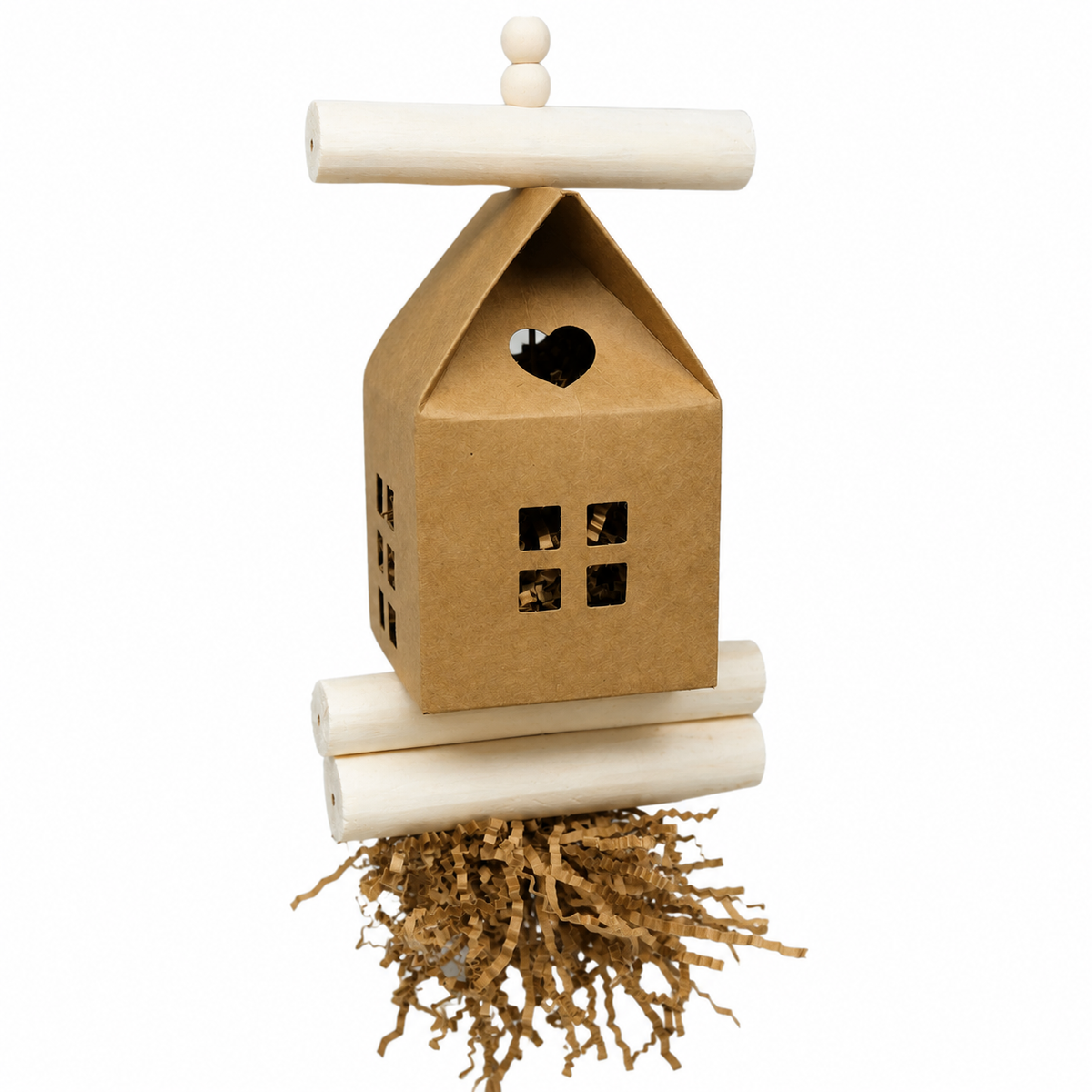
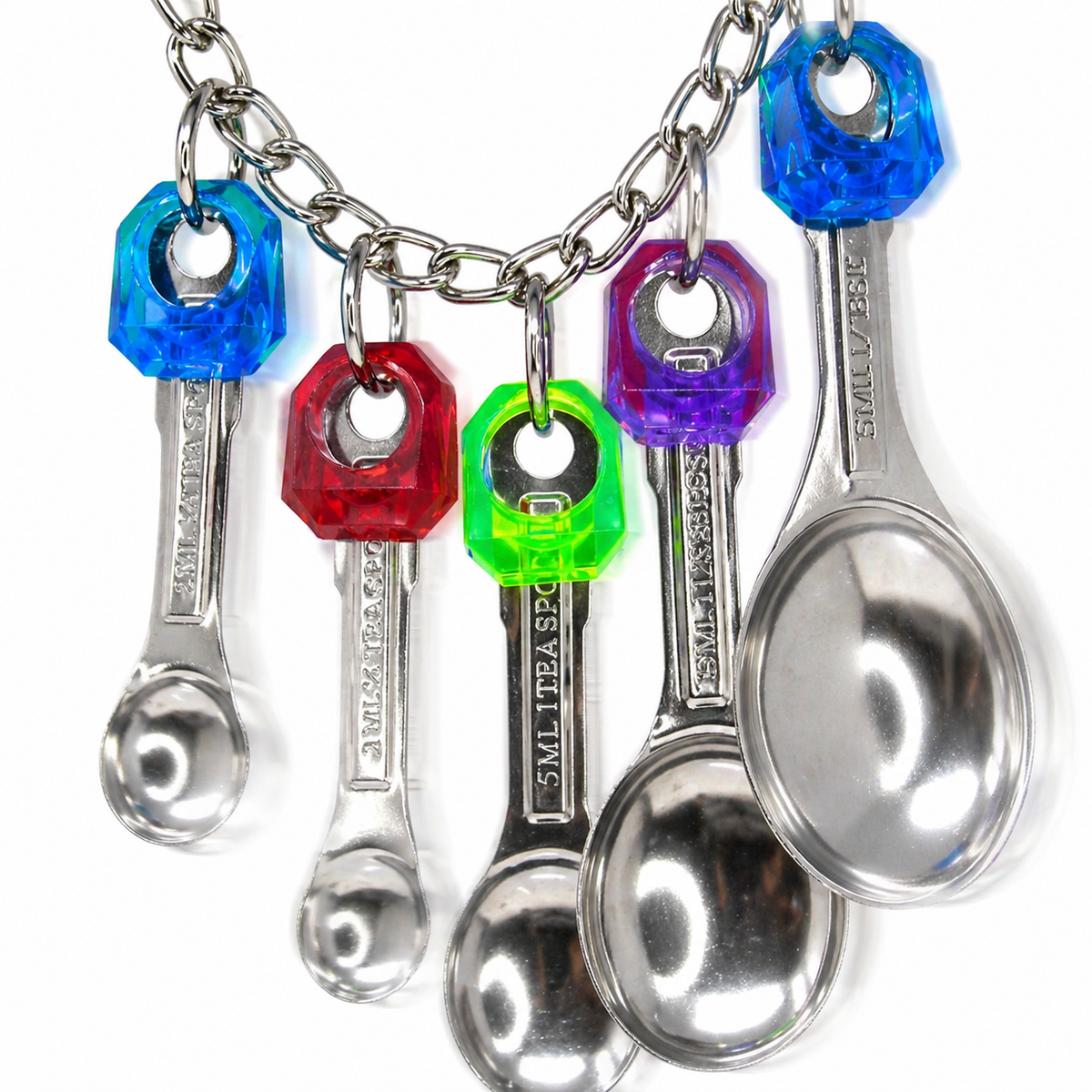
Below are real customer favorites that consistently earn rave reviews. They span different sizes and play styles—so there’s something here for every bird.
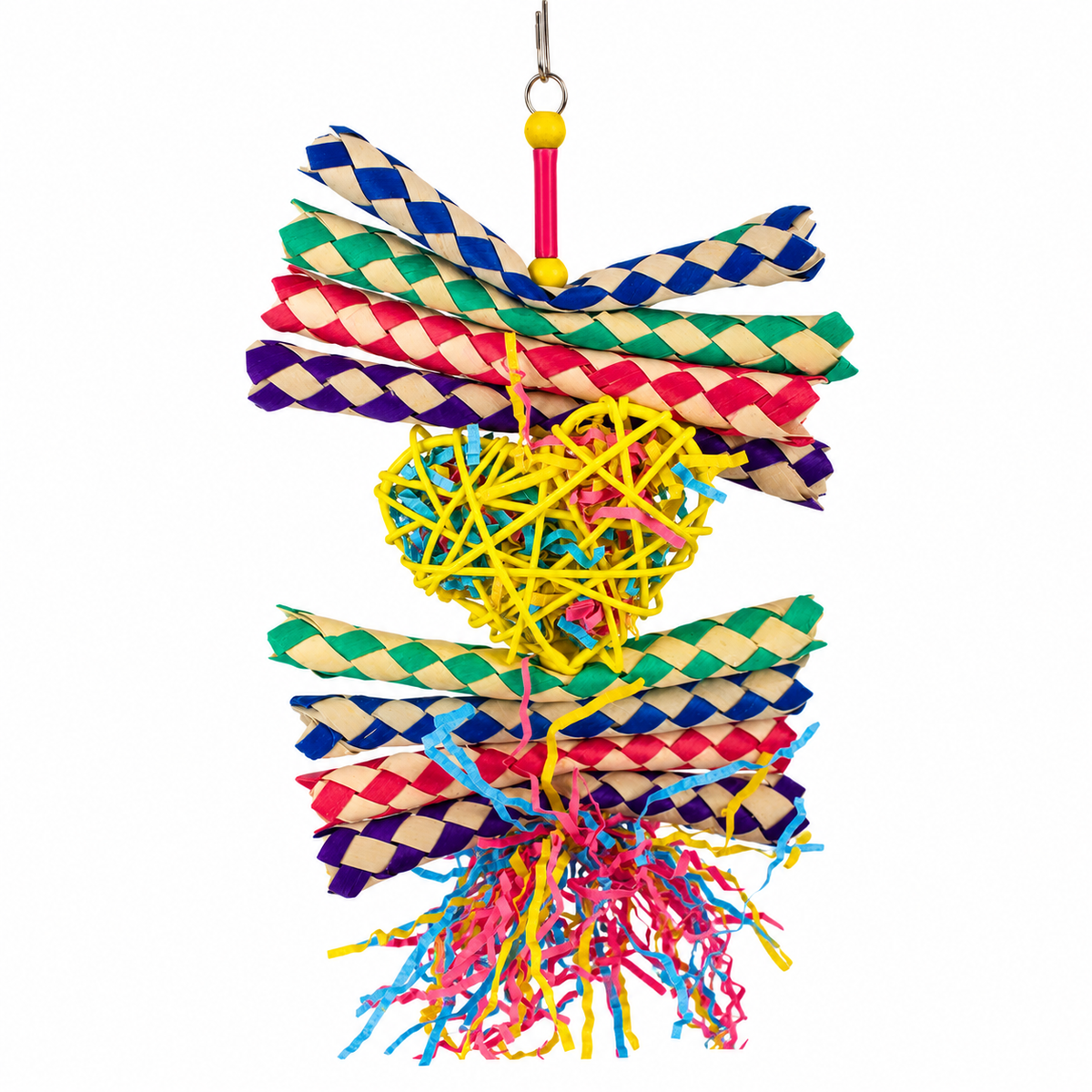
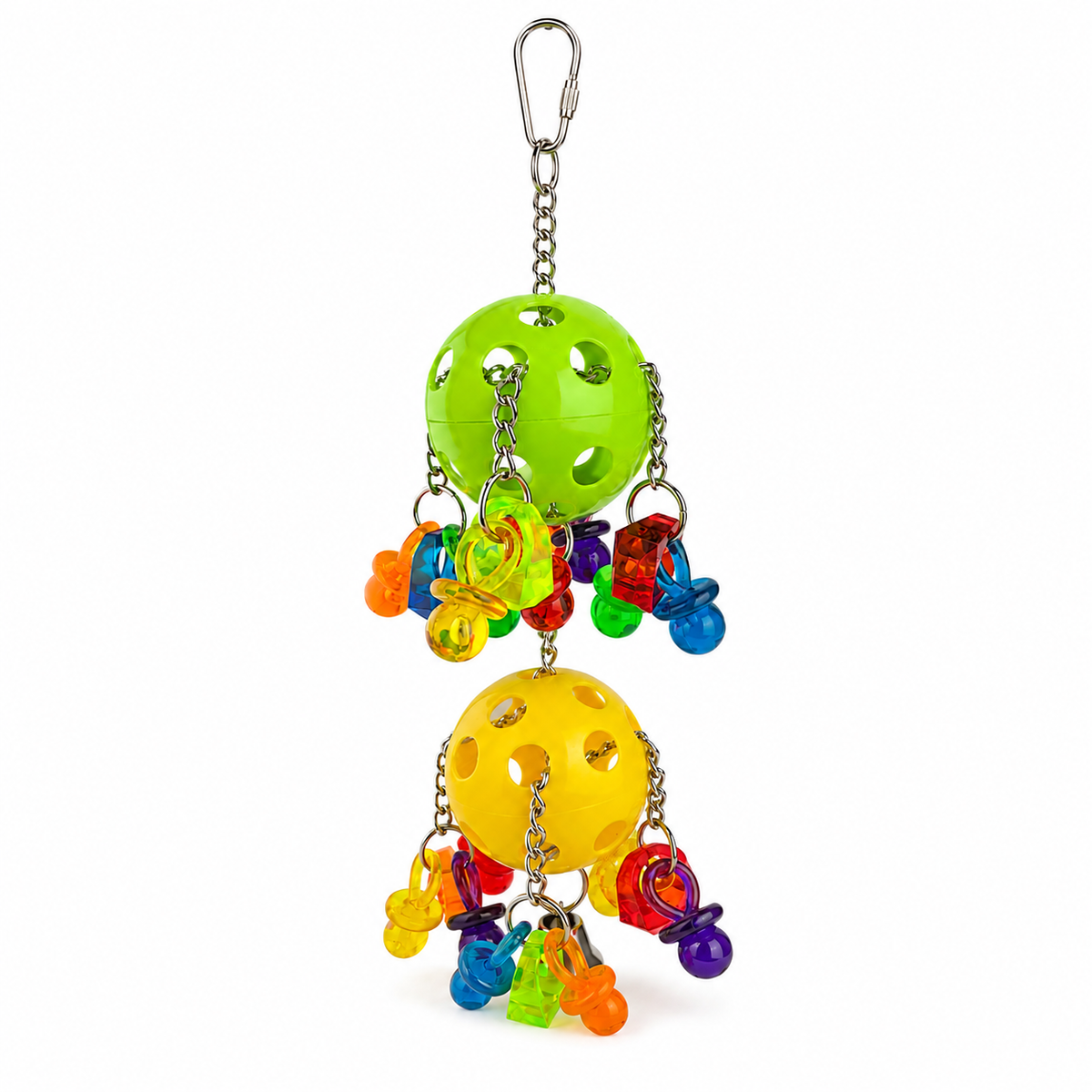
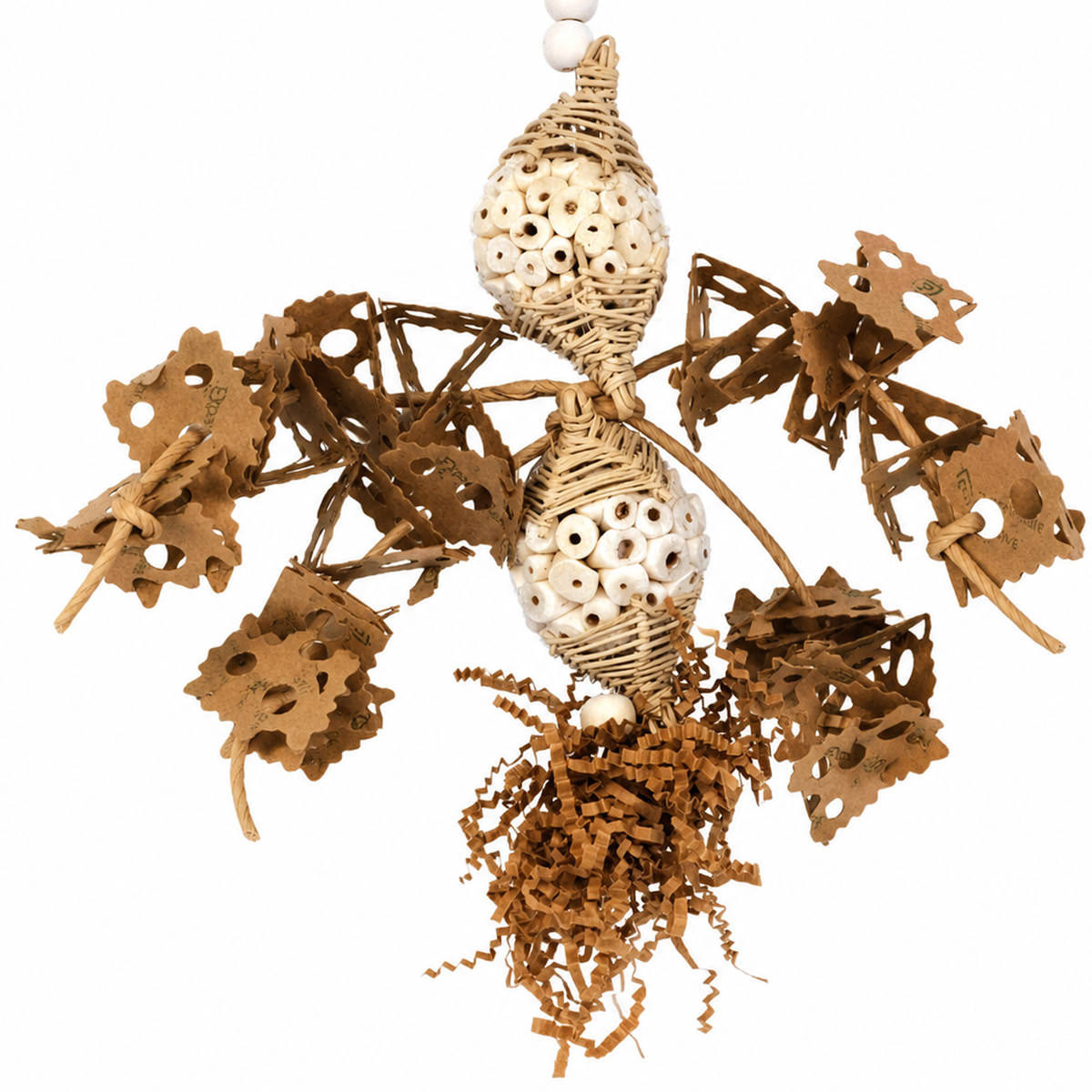
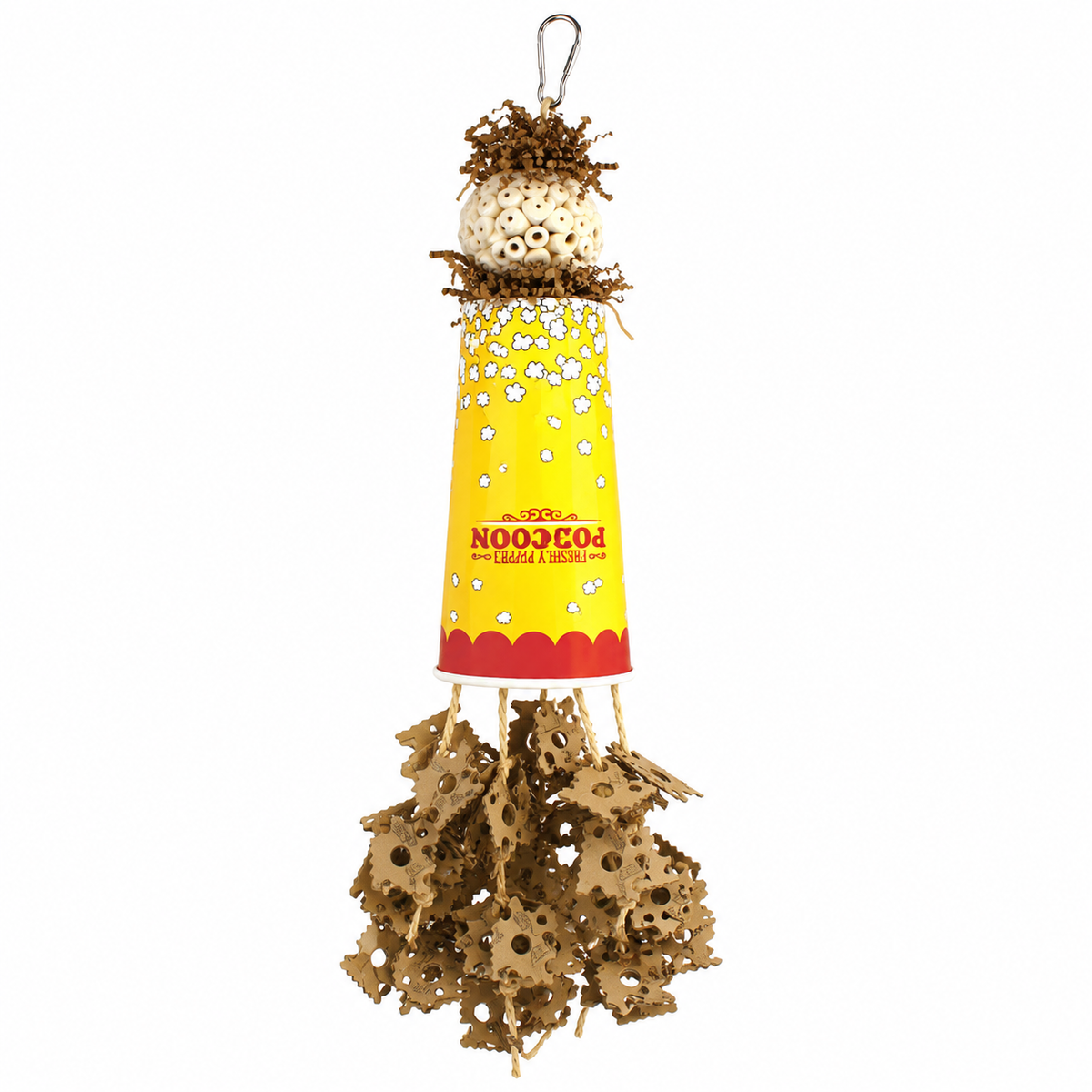
How to Choose the Perfect Toy
Every bird is unique, so selecting toys should reflect your companion’s size, species and personality. Here are some guidelines to get you started:
- Match toy size to your bird: Large parrots like macaws need thick wood blocks and heavy ropes; small parrots prefer lighter materials like sola and balsa. Toys that are too big can be intimidating, while toys that are too small can present choking hazards.
- Provide a mix of textures: Combine shreddable sola, chewable wood and harder acrylic parts. Birds instinctively chew wood to satisfy natural urges, while soft fiber offer safe opportunities to preen and pluck.
- Encourage foraging: Hide treats in paper cups, cardboard layers or toys with cavities. Foraging mimics the time wild parrots spend searching for food and reduces boredom.
- Rotate toys frequently: Keep a stash and rotate toys every few days to prevent boredom. Introducing variety maintains your bird’s curiosity and prevents fixation on a single toy.
- Observe and adjust: Watch how your bird interacts with new toys. Some parrots prefer pulling and swinging, while others love shredding. Adjust the difficulty and materials based on their interest and skill level.
Remember that enrichment isn’t just about toys—it’s also about interaction. Spend time talking, training and playing with your bird each day to strengthen your bond and keep them mentally sharp.
Safety & Material Tips
Selecting top‑rated toys means more than just fun—it means safety. Follow these expert‑backed tips:
- Choose natural fiber ropes: Only 100% natural ropes such as jute, hemp or sisal should be used in bird toys. Avoid nylon blends that can cause injury if a bird gets tangled. Inspect rope toys regularly and remove them when frayed to prevent entanglement.
- Use safe woods: Birds need to chew, and wooden toys satisfy this natural urge. Safe woods include pine, balsa, birch and maple. Avoid cedar, oak and pressure‑treated woods, which can be toxic. Color should come from food‑grade dyes, not varnishes or stains.
- Check chains and fasteners: Chains should have welded, closed links to prevent toes or beaks from being caught. Quick‑links or pear links are safer attachments than split rings or spring clamps. Regularly inspect metal parts for wear or rust.
- Offer variety but avoid overcrowding: Too many toys can overwhelm a bird and make the cage feel cluttered. Aim for 3–5 toys of different types and rotate them frequently.
- Supervise novelty: Introduce new toys gradually. Place them near the cage or on a play stand so your bird can investigate at their own pace. Remove any toy that causes fear or aggression.
Following these guidelines will help ensure that playtime is both fun and safe for your companion. When in doubt, consult an avian veterinarian or behavior specialist for personalized advice.
Choose Quality Toys for Happy Birds
Your bird deserves toys that are safe, durable and fun. Bonka Bird Toys are handmade in the USA using bird‑first design principles. Our toys feature natural sola, mahogany, palm leaf and wooden parts to satisfy chewing instincts, plus bright colors applied with non‑toxic dyes. Thoughtful hardware like welded chains and quick‑link fasteners keeps play safe. We offer enrichment for every species—from tiny parrotlets to giant macaws.
Find the Perfect Toy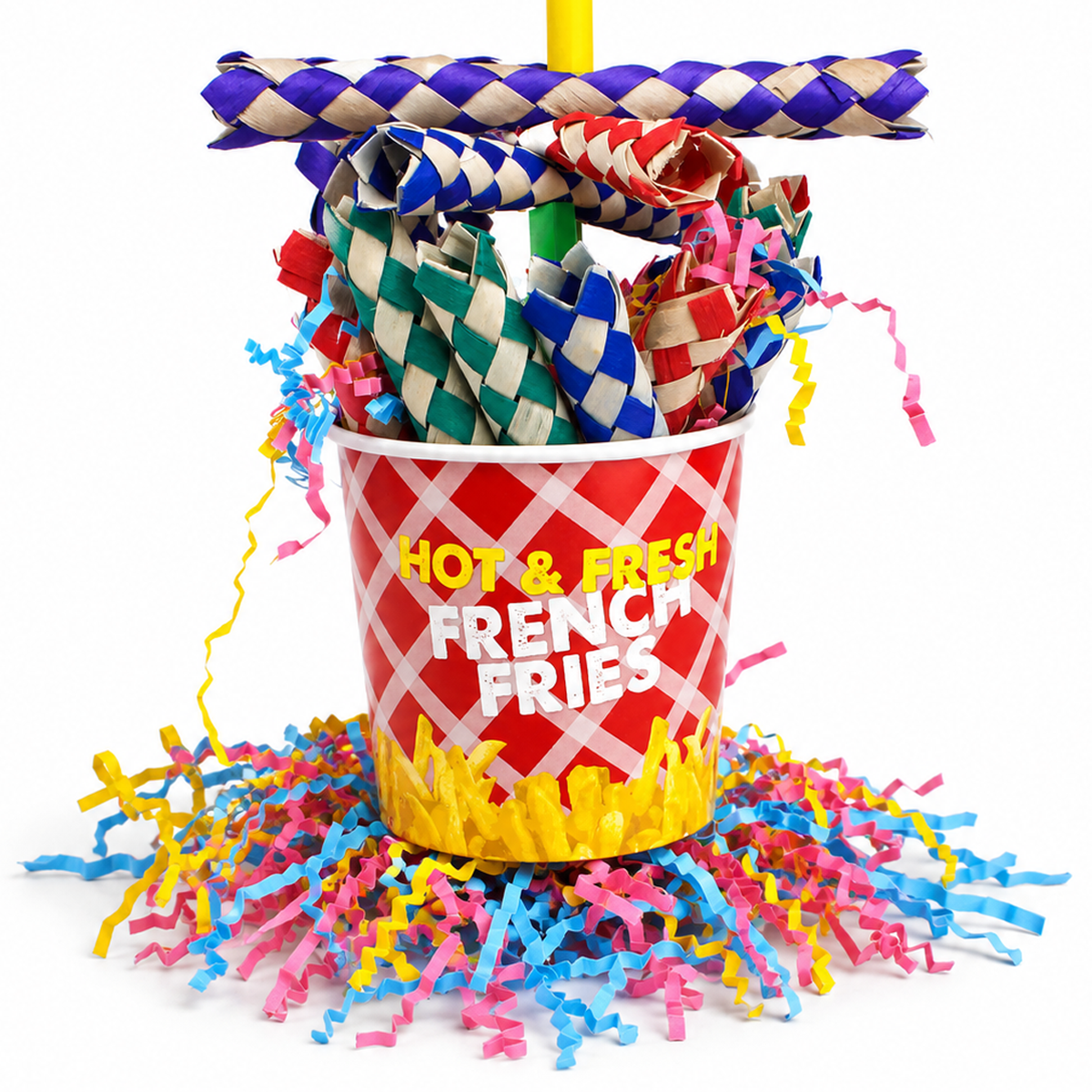
2306 French Fries
Crisp cardboard “fries” tucked inside a cup invite birds to pull and shred. The lightweight design is perfect for conures and cockatiels who enjoy removing each fry one by one.
Shop Now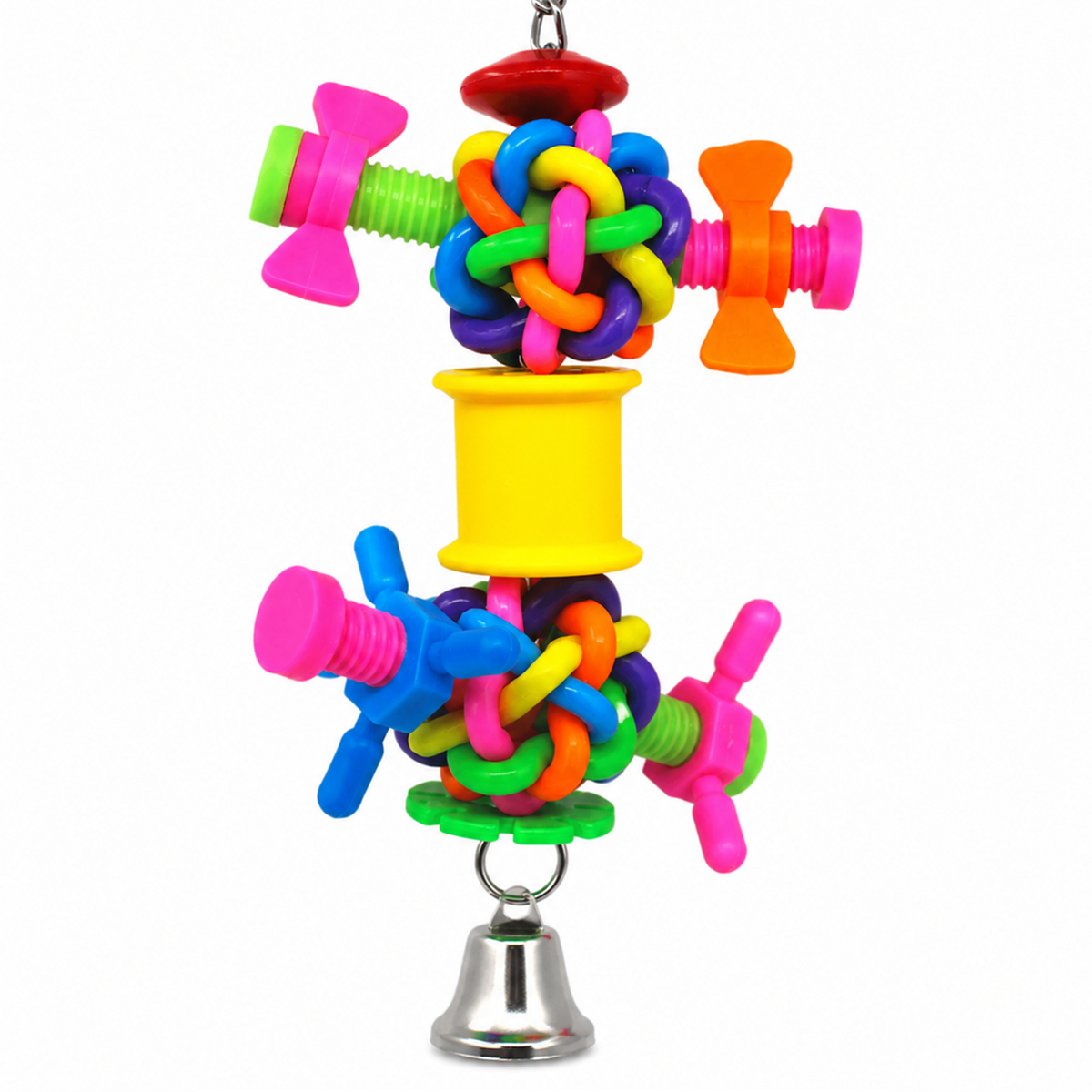
2367 Palm Oasis
A cascade of woven palm‑leaf strips and sola balls provides hours of shredding fun for medium birds. Multiple hanging strands encourage foraging and foot play.
Shop Now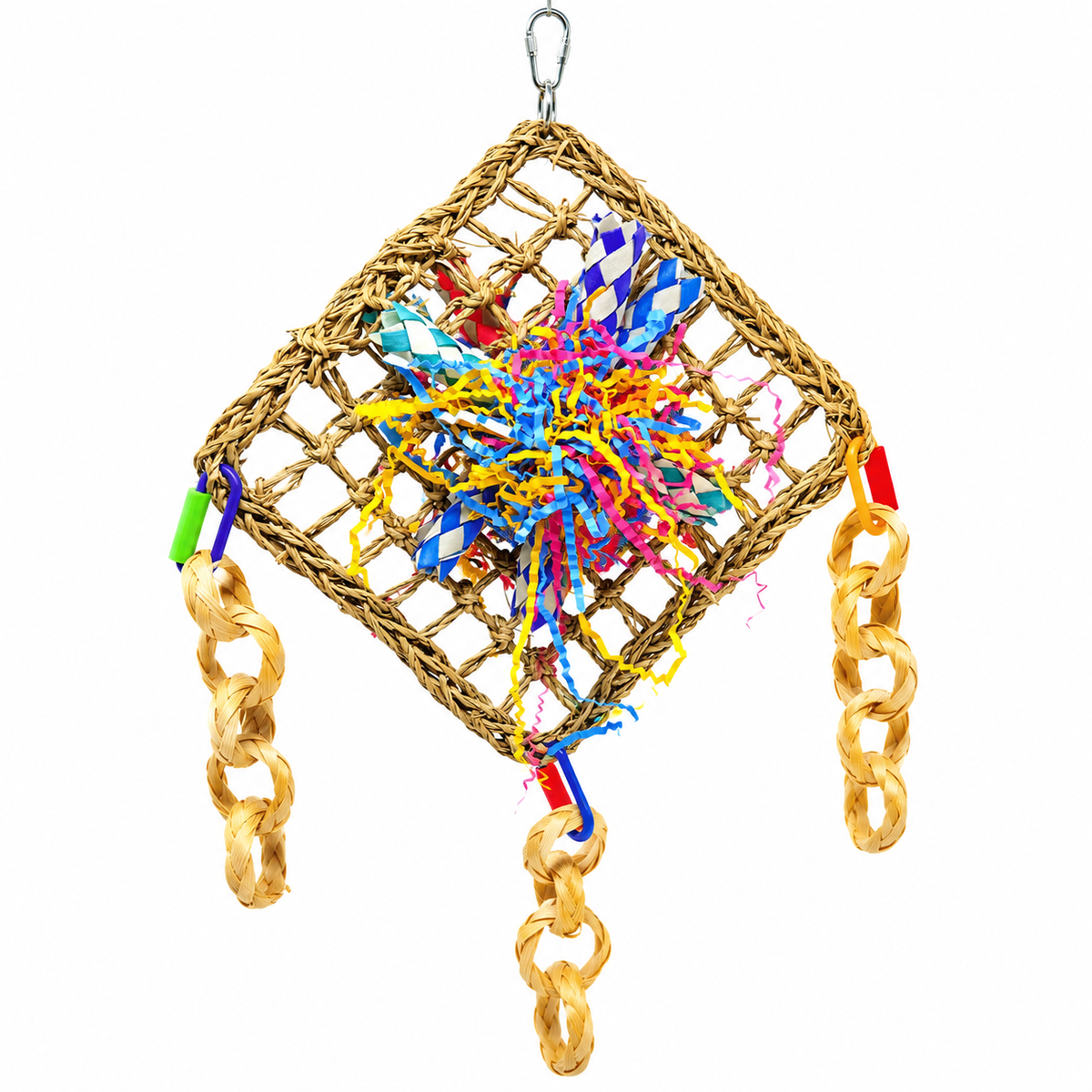
1723 Four Corners
Four towers of colorful wood blocks hang from a central hub, giving medium birds plenty of surfaces to chew and climb. The symmetrical design keeps the toy balanced while birds swing and spin.
Shop Now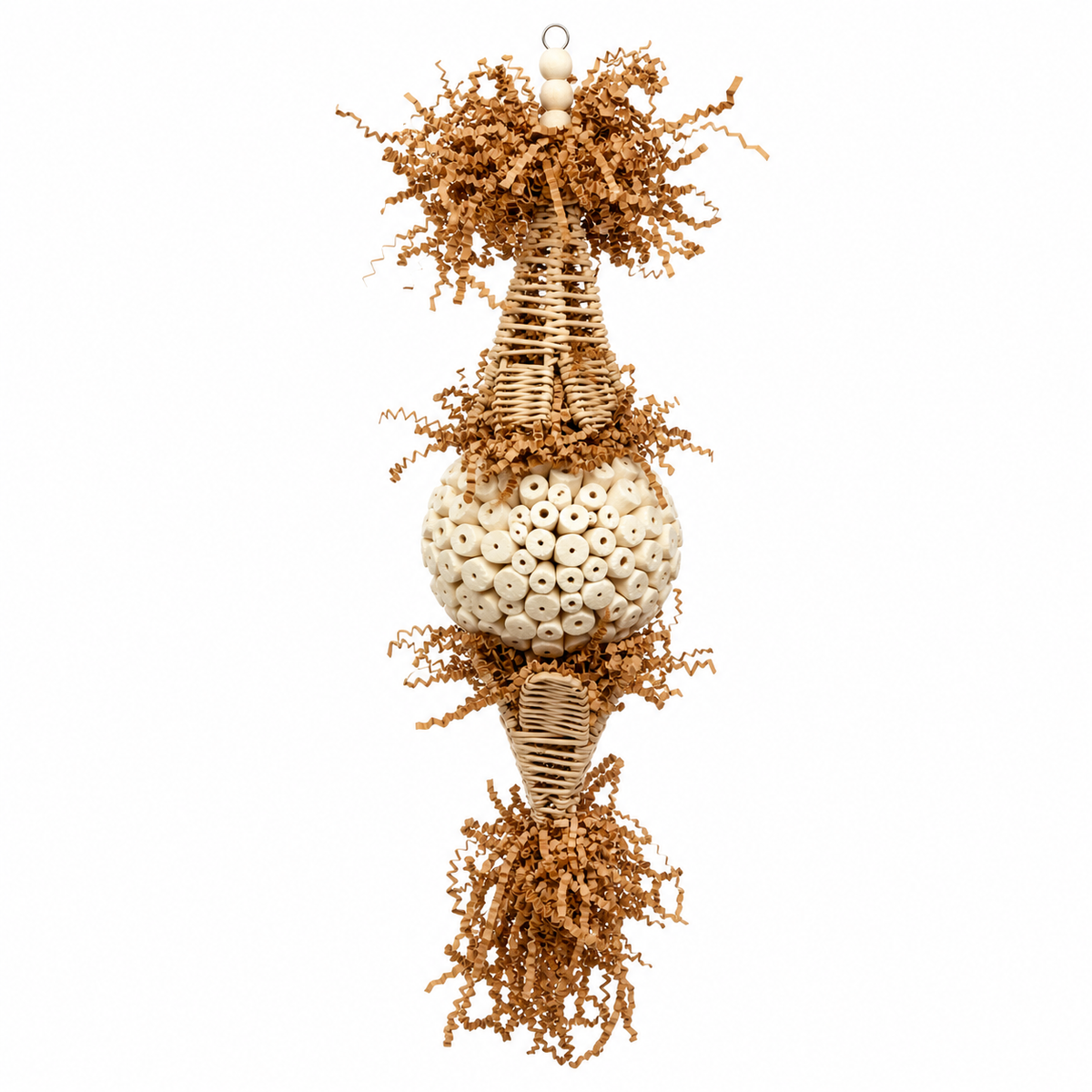
2558 Colorful Cascade
Brightly colored wood slats and acrylic beads tumble down in a cascade. Ideal for active birds that love to climb and chew, this toy provides both visual stimulation and beak exercise.
Shop Now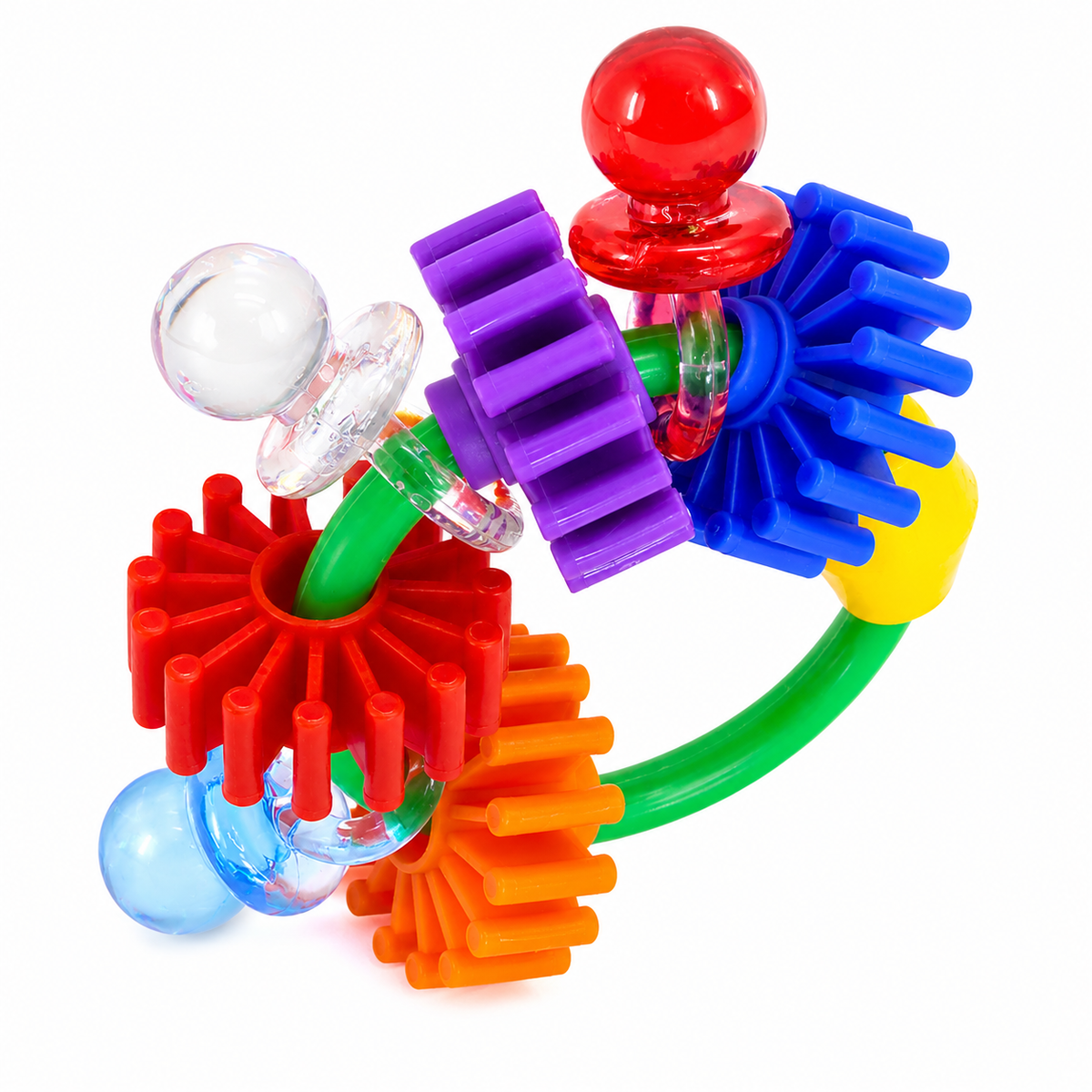
3608 Foraging Star
A star‑shaped array of cardboard and palm leaf pockets invites birds to pick, pull and forage. Perfect for parrots who love to explore every crevice for hidden snacks.
Shop Now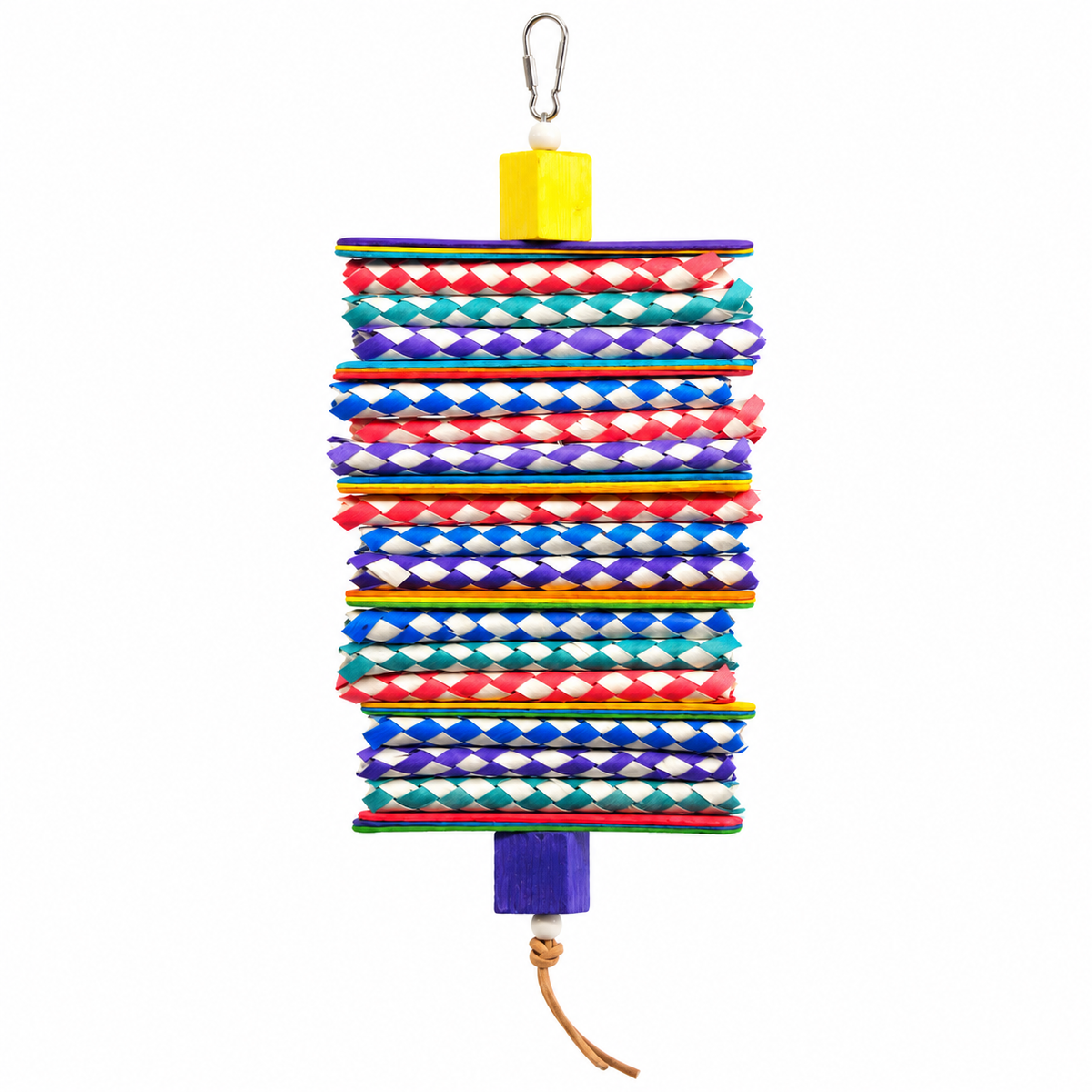
1078 Big Step Shredder
Large wooden steps strung with sola wafers and sisal rope give big birds a fun ladder to climb and demolish. The variety of textures keeps beaks active and feet engaged.
Shop Now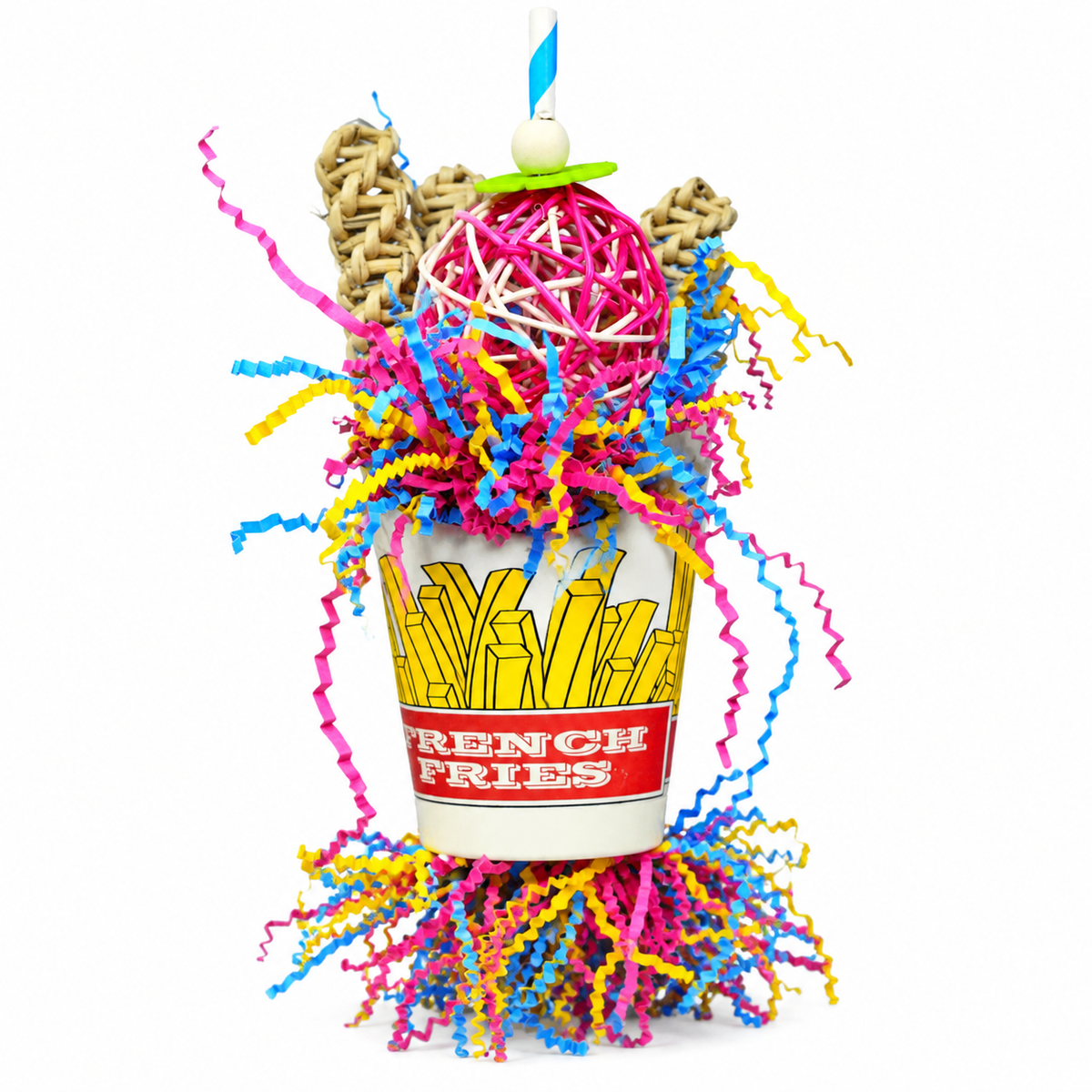
2334 Order of Fries
A whimsical toy shaped like a snack basket, filled with soft sola fries that invite birds to pull and shred. Ideal for budgies, cockatiels and other small parrots who enjoy lightweight shreddables.
Shop Now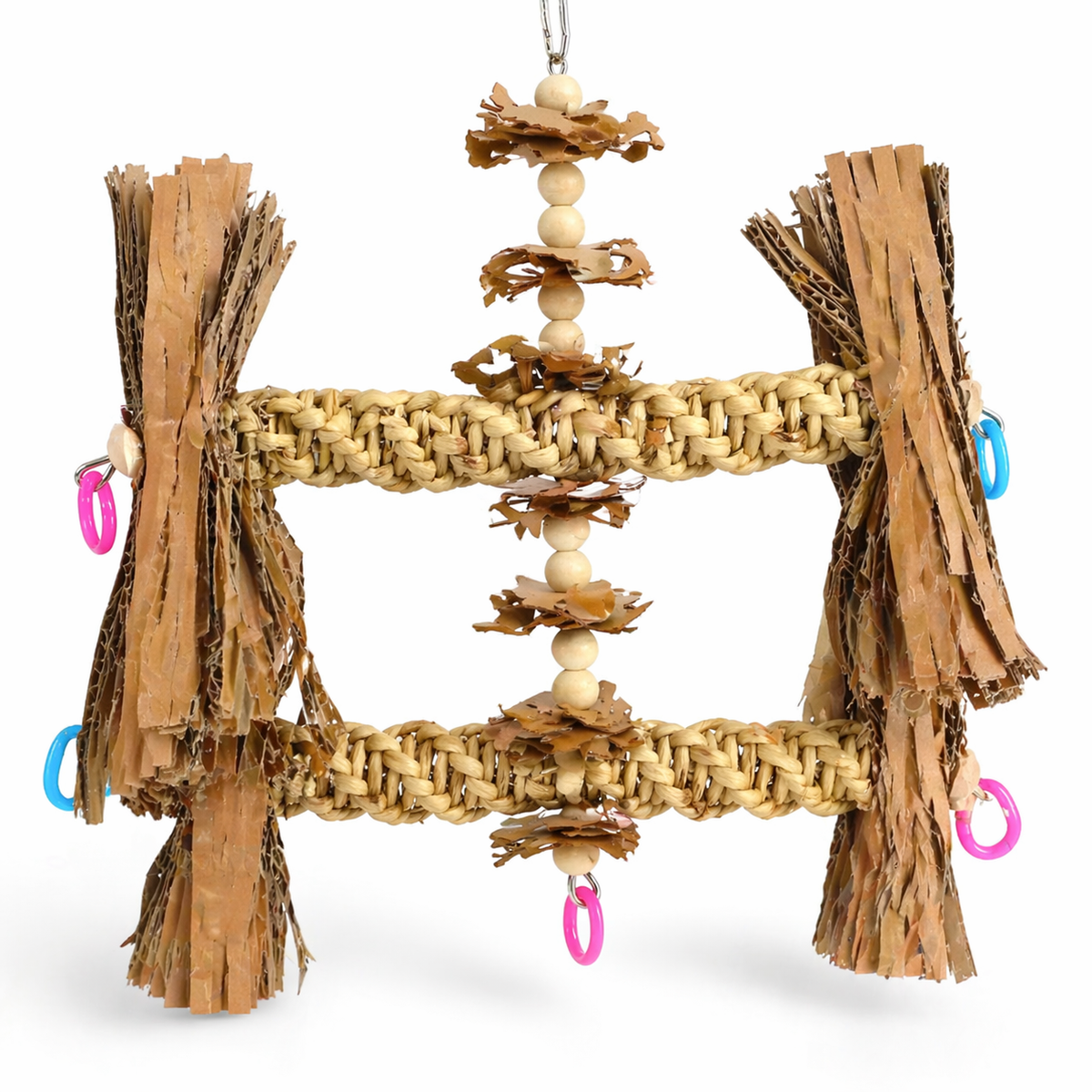
1557 Rainbow Cluster
A cluster of colorful wood blocks, beads and natural sisal rope packed into a compact form. Great for medium birds that love to chew, the diverse shapes challenge beaks and feet.
Shop Now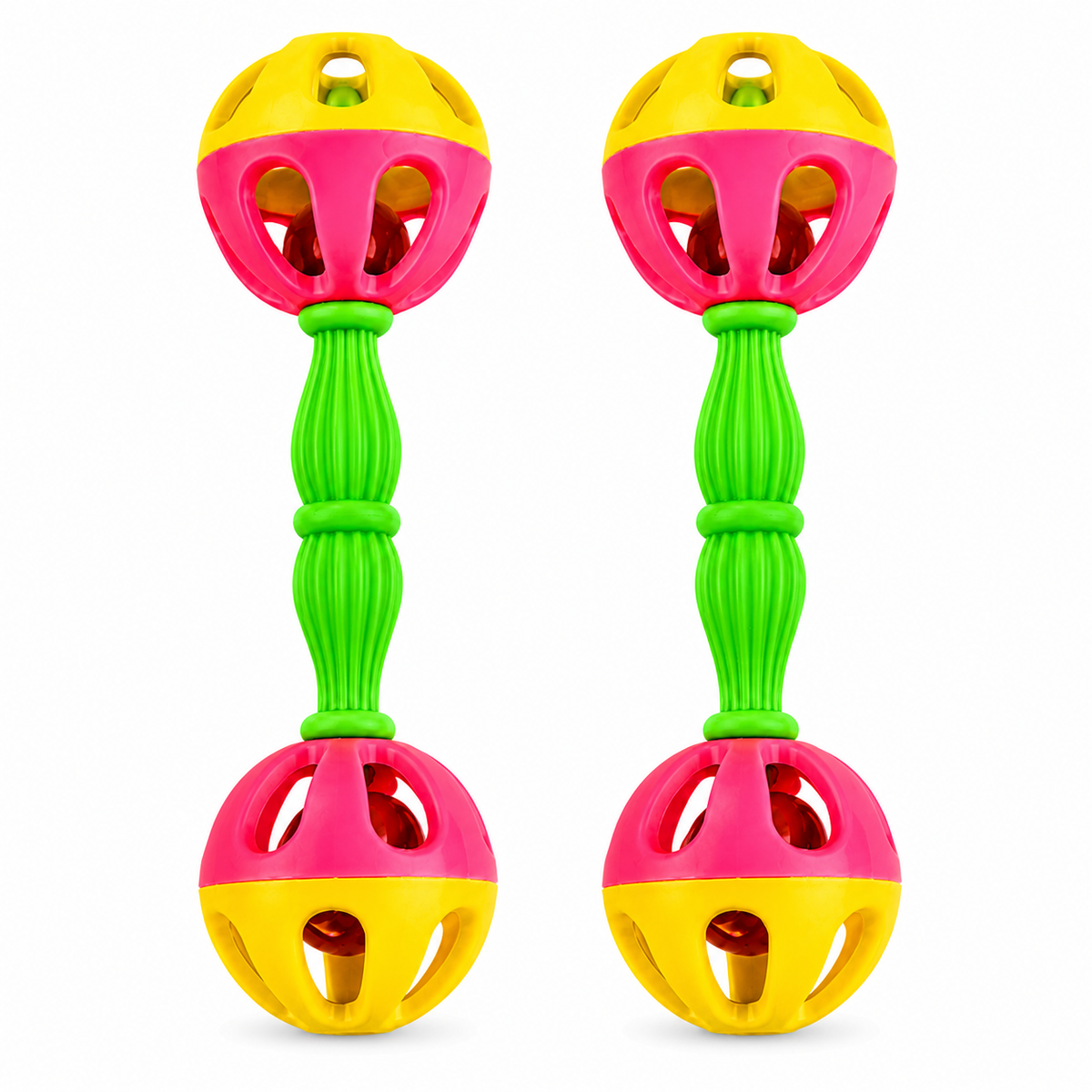
Birdie Barbells
Small barbell‑shaped foot toys made from solid plastic or wood encourage exercise and coordination. Birds love tossing and rolling them, making these ideal for playtime outside the cage.
Shop NowShare This Article
Know another bird parent searching for the perfect toy? Help them by sharing our top‑rated picks. Use the buttons below to spread the word on social media or send it directly to a friend:
Frequently Asked Questions
What makes a bird toy “top‑rated”?
Top‑rated toys earn consistently positive feedback from bird owners because they are engaging, durable and safe. They use natural materials like sisal, palm leaf and untreated wood that birds love to chew, and they encourage behaviors like foraging and shredding to keep birds mentally stimulated. Customer reviews highlight how these toys reduce boredom and promote natural play.
How do I know what size toy is right for my bird?
The toy should match your bird’s size and strength. Large parrots need thicker wood blocks and heavy rope, while smaller birds prefer lightweight materials like sola and thin leather. Avoid giving a toy that is too small, as small pieces can become choking hazards.
How often should I replace or rotate toys?
Rotate toys every few days to keep your bird interested and prevent boredom. Inspect all toys regularly for wear, frayed ropes or sharp edges and replace them when they become unsafe. Variety is key: mix shreddable, chewable and foraging toys to keep playtime exciting.