

Bird cage enrichment guide
The best bird cage setup is not the fullest cage. It is the smartest cage: clean feeding areas, open movement space, secure perches, and well-placed enrichment toys that give your bird something useful to do every day.

What Makes the Best Bird Cage Setup?
A great bird cage setup gives your bird structure without making the cage feel crowded. Your bird should be able to perch, turn, climb, stretch, eat, drink, rest, and play without bumping into every toy in the cage. The goal is not to hang every toy at once. The goal is to create a few useful activity zones and rotate them before boredom settles in.
For parrots, cockatiels, conures, lovebirds, budgies, parrotlets, caiques, Amazons, and other companion birds, cage enrichment works best when it supports natural behaviors: balance, forage, shred, chew, investigate, and hold. That is why the strongest cage setups usually include a mix of bird swings, foraging bird toys, shredding toys, chew toys, foot toys, and soft chew textures.
When you shop for cage toys, think like a layout designer. Each product should have a job. A swing creates movement. A foraging block creates a task. A shredding toy gives busy beaks a productive outlet. A foot toy tray encourages independent play. A soft sola chew gives gentle chewers something easy and satisfying to work on.

Quick Cage Setup Checklist
- Keep food and water clean. Place messy shredding and chewing toys away from bowls whenever possible.
- Leave movement lanes open. Birds need room to climb, flap, stretch, and turn around comfortably.
- Use different toy jobs. Choose at least one swing or balance toy, one foraging toy, one chew toy, one shred toy, one foot toy, and one soft chew option.
- Match toy size to bird size. Always choose toys that fit your bird's strength, beak size, cage space, and play style.
- Inspect daily. Remove worn rope, loose parts, sharp edges, broken pieces, or anything your bird can swallow unsafely.
The Six Enrichment Zones for a Happy, Healthy Cage
The best cage setups feel organized. Instead of scattering toys randomly, divide the cage into simple enrichment zones. This makes the cage easier for birds to understand and easier for owners to maintain.
1. Swing and Balance Zone
Best pick: 1199 Natures Harmony Swing
Add a secure swing where your bird can perch, sway, and use core balance. This zone supports movement, confidence, and a comfortable place to hang out.
2. Foot Toy Zone
Best pick: 1214 Pk3 Sola Atta Ball
Use a small toy dish, play tray, or supervised floor area for lightweight foot toys your bird can grab, roll, nibble, and toss.
3. Foraging Zone
Best pick: 1427 Mahogany Forage Block
Place a foraging toy where your bird can investigate textures and work for interest. Foraging helps turn cage time into active thinking time.
4. Chewing Zone
Best pick: 1474 Poker Dice
Create a chew corner for birds that love to pull, peck, and manipulate materials. A defined chew zone can help direct beak energy to the right place.
5. Shredding Zone
Best pick: 1586 Duo Foraging Star Shred
Give shredders a satisfying project with paper, bamboo, and other shreddable textures. Keep this zone away from water cups to reduce cleanup.
6. Soft Chew Zone
Best pick: 3747 Sola Log
Soft sola is ideal for many birds that enjoy gentle chewing. It adds natural texture without making the setup feel heavy or intimidating.

Where to Place Toys in a Bird Cage
Good placement helps toys get used. A bird swing needs space to move. A foot toy needs a tray or easy access point. A shredding toy needs room for debris. A foraging toy should be reachable without blocking the main perch. When every item has a purpose and a place, your cage becomes easier to clean and more inviting for your bird.
| Cage Area | Best Toy Job | Placement Tip | Bonka Product Match |
|---|---|---|---|
| Upper side or top zone | Swinging and balance | Leave clearance so the swing moves freely without hitting bowls, walls, or other toys. |
1199 Natures Harmony Swing |
| Low tray, play dish, or supervised area | Foot toy play | Use lightweight toys that are easy to pick up, toss, and chew under regular observation. |
1214 Pk3 Sola Atta Ball |
| Reachable side wall | Foraging and chewing | Hang near a perch so your bird can explore safely without leaning too far. |
1427 Mahogany Forage Block |
| Chew corner | Chewing and manipulation | Place away from food and water to help keep loose material out of bowls. |
1474 Poker Dice |
| Open side panel | Shredding and busy beak work | Give the toy room to hang naturally, and expect more cleanup from productive shredders. |
1586 Duo Foraging Star Shred |
| Quiet side or beginner chew spot | Soft chew exploration | Use softer textures for small birds, cautious birds, or birds that prefer gentle chewing. |
3747 Sola Log |
A Simple Shopping List for a Better Cage Setup
If you are building a new cage setup or refreshing an older layout, start with a balanced toy mix. This gives your bird multiple activities without forcing you to overfill the cage. Choose the products that match your bird's size, personality, chewing strength, and confidence level.


| Buy This Type | Why It Helps | Recommended Bonka Pick |
|---|---|---|
| Swinging toy | Adds perch variety, balance practice, and gentle movement for a more dynamic cage. | 1199 Natures Harmony Swing |
| Foot toy | Encourages independent play, grabbing, tossing, and light chewing. | 1214 Pk3 Sola Atta Ball |
| Foraging toy | Gives your bird a daily job and helps reduce empty cage time. | 1427 Mahogany Forage Block |
| Chewing toy | Offers an appropriate outlet for beak activity and material exploration. | 1474 Poker Dice |
| Shredding toy | Satisfies tearing, pulling, and busy beak behavior in a productive way. | 1586 Duo Foraging Star Shred |
| Soft chew toy | Works well for gentle chewers, small birds, and birds that like light natural textures. | 3747 Sola Log |
A Weekly Cage Refresh Plan
Even the best cage setup can become ordinary if every toy stays in the same place for too long. A simple rotation plan keeps the cage interesting without stressing birds that like routine. Keep one favorite perch or comfort toy in place, then rotate the enrichment jobs around it.
- Monday: Inspect hardware, perches, bowls, and toys. Remove worn or unsafe pieces.
- Tuesday: Refresh the foot toy zone with sola balls or other easy-to-hold toys.
- Wednesday: Move the foraging toy to a slightly different reachable perch area.
- Thursday: Add a shredding project and remove soggy or heavily torn debris promptly.
- Friday: Offer a chew-focused toy in the chew corner for weekend activity.
- Saturday: Check swing clearance and clean around high-use perch areas.
- Sunday: Reset the cage with one familiar favorite and one fresh enrichment challenge.

Safety Notes Before You Rearrange the Cage
Every bird is different. Before changing a cage setup, think about your bird's size, beak strength, mobility, confidence, and chewing habits. Introduce new toys gradually if your bird is cautious. Check toy attachments often. Avoid blocking food and water access. Remove toys that become damaged, overly frayed, cracked, sharp, or small enough to swallow.
Bird toys support daily enrichment, but they are not a substitute for proper diet, sleep, veterinary care, out-of-cage time, and social interaction. If your bird shows sudden behavior changes, feather destructive behavior, appetite changes, balance issues, or signs of illness, contact an avian veterinarian.
Related Products for the Best Cage Setups
Use these Bonka Bird Toys picks to build a balanced cage with movement, foraging, chewing, shredding, foot toy play, and soft-chew enrichment. Choose products that fit your bird and cage size, then rotate them to keep the setup fresh.
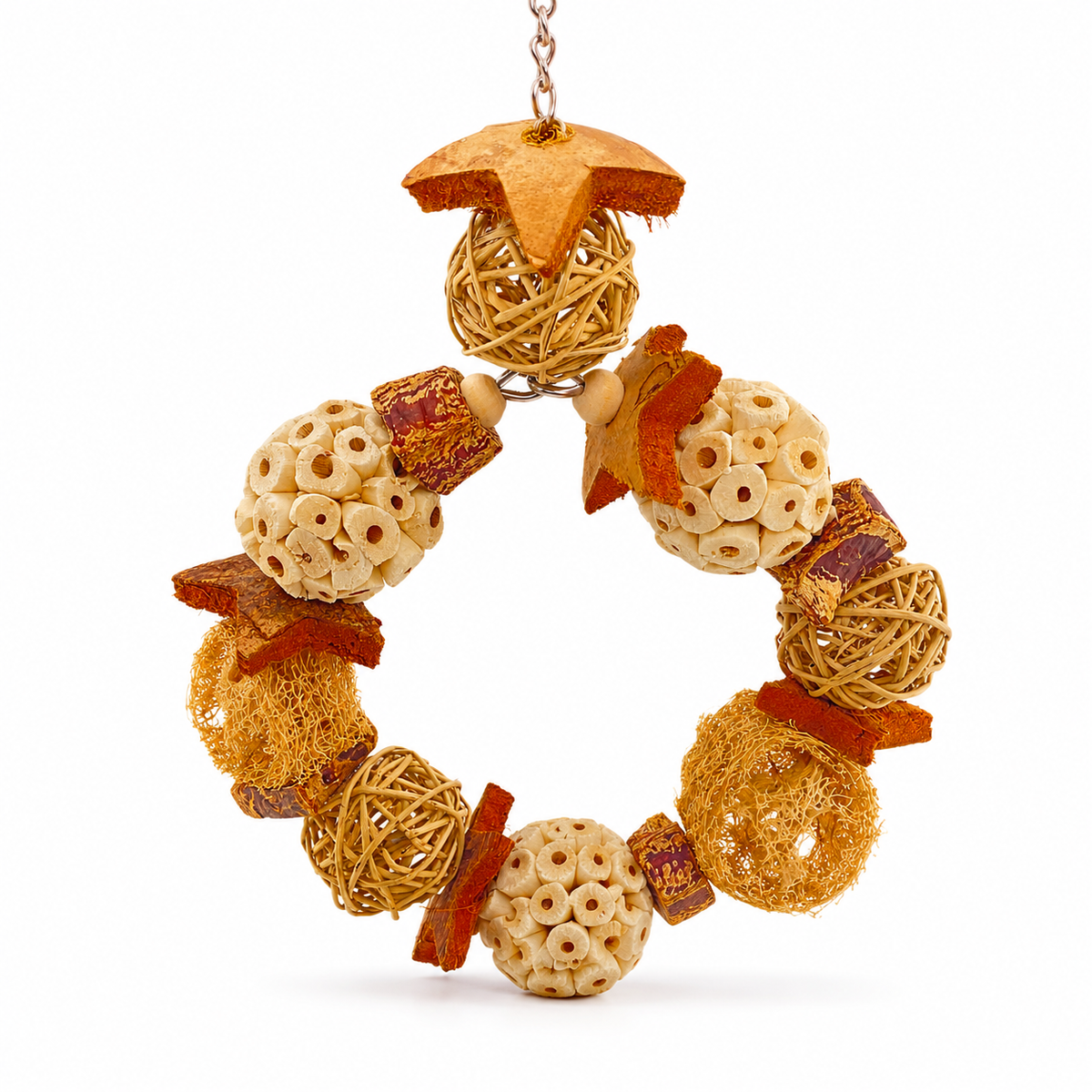
1199 Natures Harmony Swing
Adds a cozy swing and balance station with chewable textures for extra small to medium birds.
Shop Now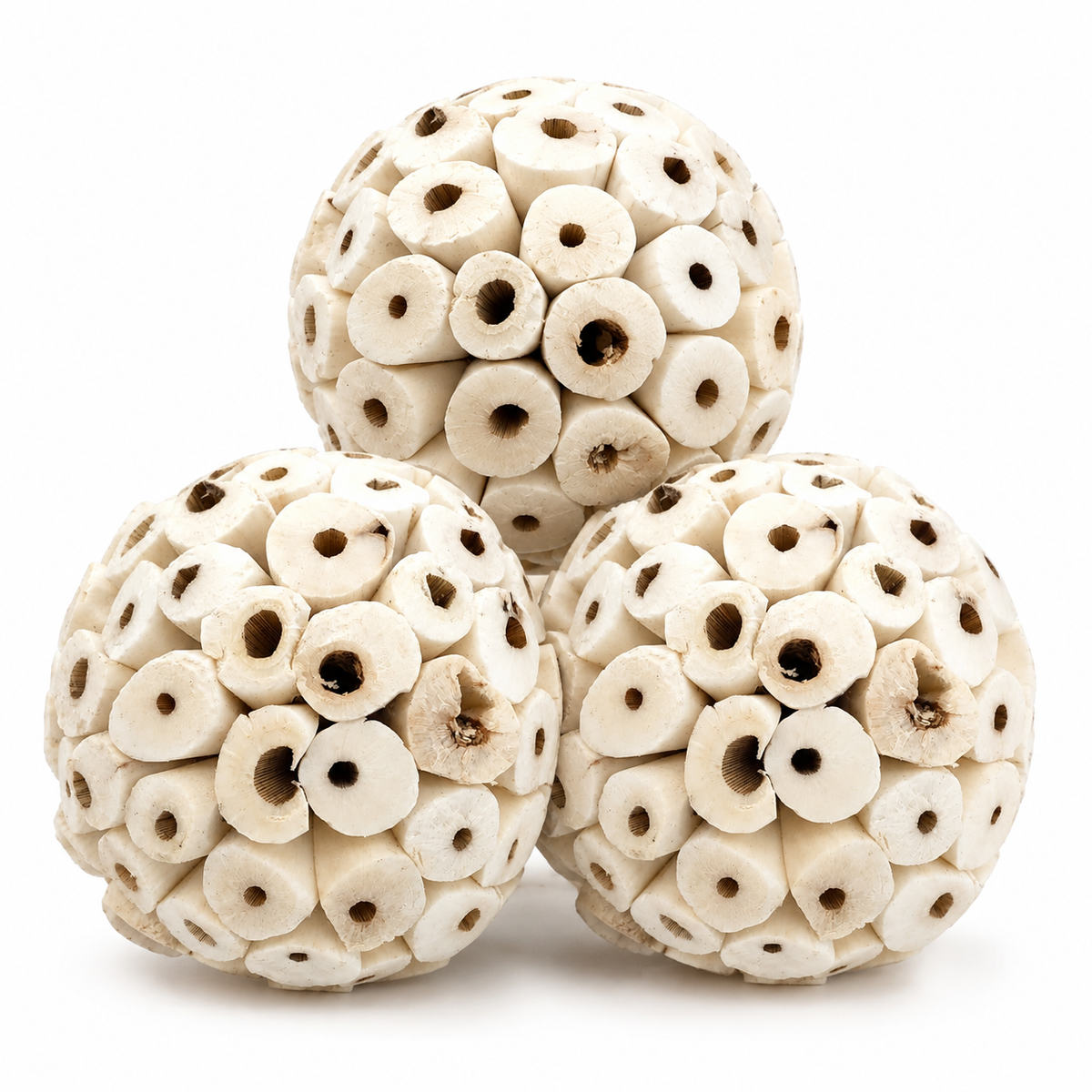
1214 Pk3 Sola Atta Ball
Lightweight sola balls for holding, nibbling, rolling, and supervised independent cage play.
Shop Now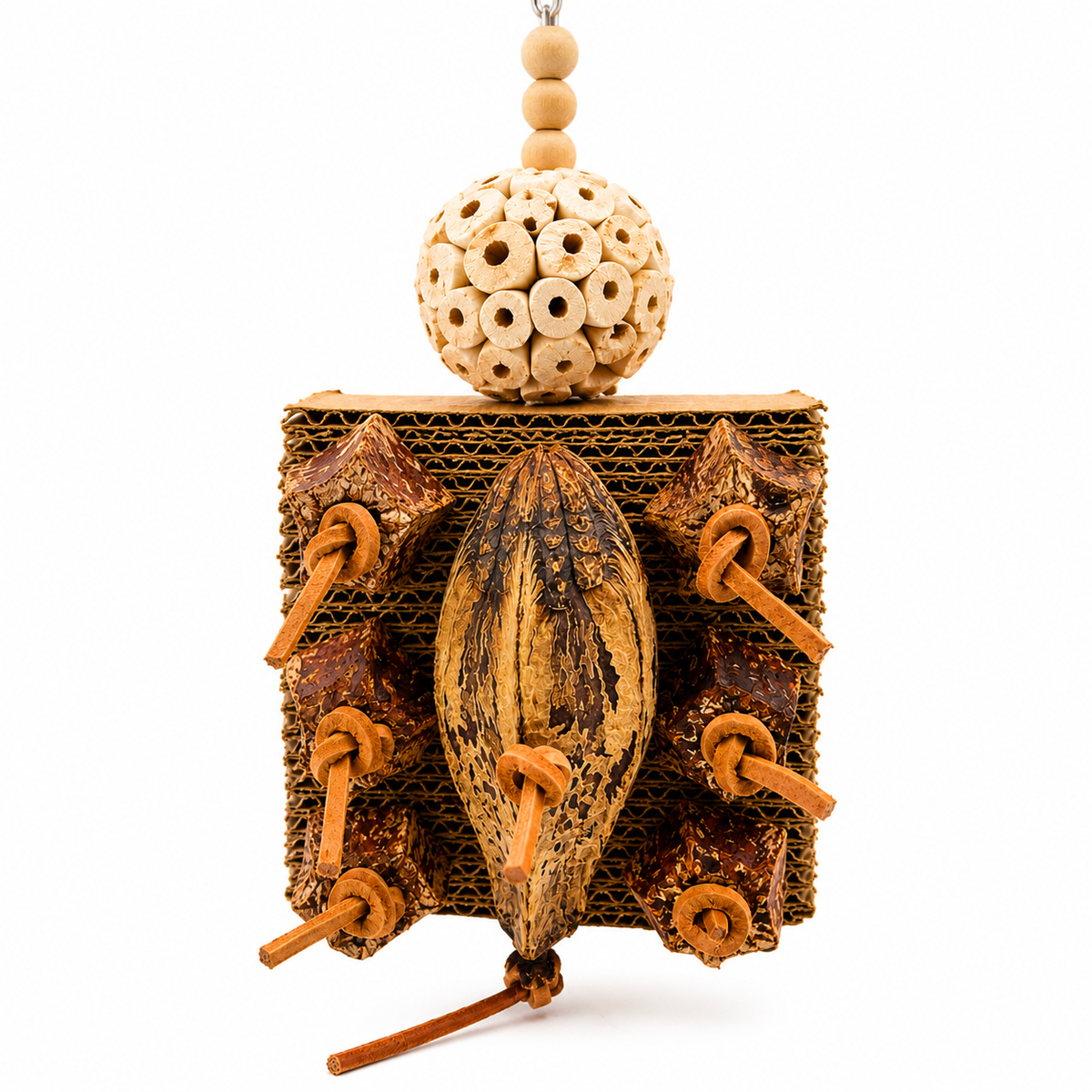
1427 Mahogany Forage Block
A hanging cage toy for birds that enjoy exploring, chewing, and working through textures.
Shop Now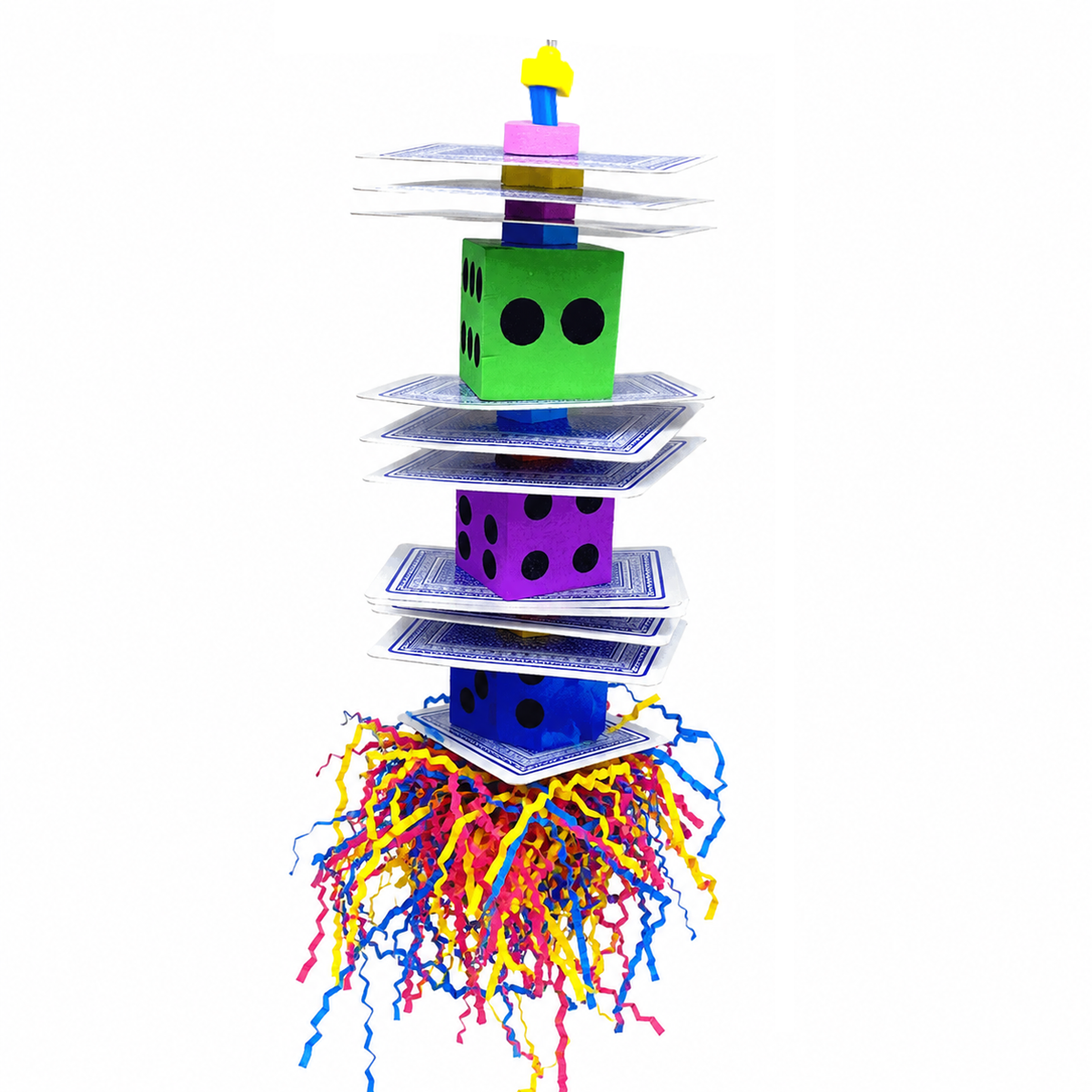
1474 Poker Dice
A colorful chew and activity toy for birds that like to pull, peck, and inspect varied shapes.
Shop Now
1586 Duo Foraging Star Shred
Gives active birds a colorful shredding and foraging project for busy cage time.
Shop Now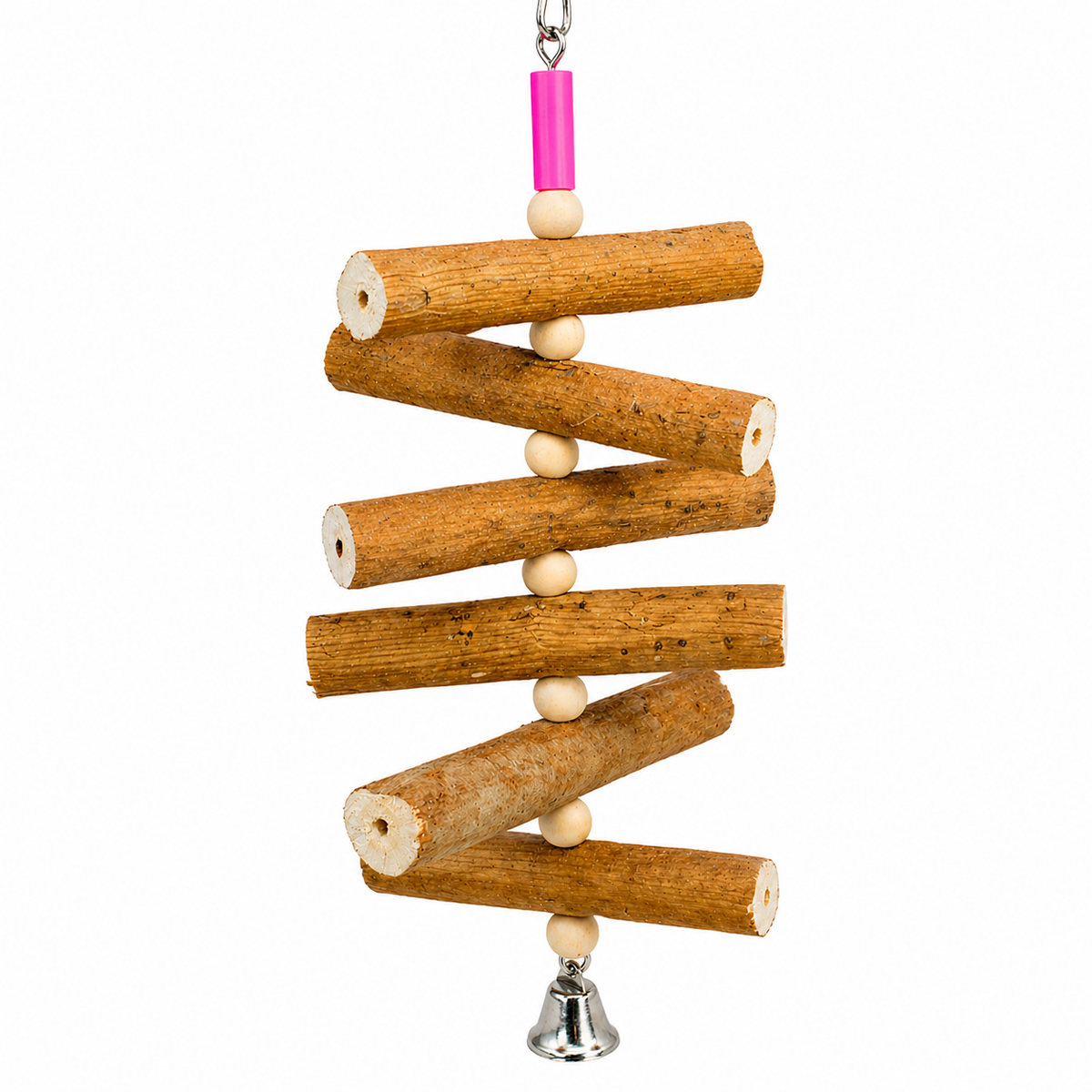
3747 Sola Log
A gentle soft-chew cage toy with sola texture for small birds that like easy beak work.
Shop NowFrequently Asked Questions
What should be in a healthy bird cage setup?
A healthy bird cage setup usually includes clean food and water stations, appropriately sized perches, open movement space, a sleep or rest area, and several enrichment zones for swinging, foraging, shredding, chewing, and foot toy play.
How many toys should I put in my bird's cage?
The right number depends on cage size and bird size. Many cages work best with a few well-placed toys instead of a crowded layout. Keep flight, climbing, and turning space open, then rotate toys regularly to keep the setup fresh.
Where should a bird swing go in the cage?
Place a bird swing where it has room to move without hitting food bowls, water cups, other toys, or cage walls. A top or side area often works well if the bird has clear access and the swing is securely attached.
What toys help prevent cage boredom?
Foraging toys, shredding toys, chew toys, soft sola toys, swings, and foot toys can all help reduce cage boredom by giving birds natural jobs to do: search, chew, tear, balance, climb, hold, and explore.
How often should I change my bird's cage setup?
Inspect the cage daily, remove worn or unsafe toys right away, and refresh part of the layout every few days. A fuller toy rotation once a week can help keep birds engaged while still leaving familiar favorites in place.
Build a Better Cage Setup With Bonka Bird Toys
A happier cage starts with variety and smart placement: one place to swing, one place to forage, one place to chew, one place to shred, one place to hold foot toys, and one softer chew option for gentle beak work. Start with the related products above, then rotate them around your bird's favorite perch and routine.