

Bonka Bird Toys Blog
How Bird Toys Improve Mental Health in Parrots
A bored parrot is often a stressed parrot. The right bird toys give parrots safe outlets for natural behaviors like chewing, shredding, climbing, foraging, foot play, and problem solving. When rotated regularly, enrichment toys can help reduce boredom, support exercise, and encourage a calmer, more confident companion bird.

What You’ll Learn
Why Mental Health Matters for Parrots
Parrots are highly intelligent birds that need more than food, water, and a perch. In the wild, they spend much of the day exploring, climbing, chewing, searching for food, solving problems, and interacting with their flock. In the home, bird toys help recreate those natural activities in a safe and controlled way.
Without enough enrichment, parrots may become bored, anxious, loud, destructive, or less willing to interact. A thoughtful toy setup gives your bird choices, movement, texture, and purpose—key ingredients for better parrot mental health and daily happiness.
How Bird Toys Improve Parrot Mental Health
Foraging
Foraging toys encourage problem solving and help parrots work for treats, which can reduce boredom and build confidence.
Chewing
Chew toys give birds a healthy outlet for natural beak activity and can help redirect destructive chewing.
Shredding
Shreddable toys satisfy natural tearing and picking behaviors, keeping busy beaks engaged.
Exercise
Boings, swings, orbits, and climbing toys encourage movement, balance, stretching, and active play.

Safety Comes First: Choose Toys That Fit Your Bird
The best bird toys for mental health are also safe for your bird’s size, beak strength, and play style. Always choose appropriately sized toys, inspect them often, and remove worn or damaged parts. Offer a mix of textures such as natural wood, shreddable paper, rope, safe plastic, and foot toys to keep enrichment fresh.
Plastic bird toys can be useful for certain birds when they are made from bird-safe materials, used correctly, and monitored. For strong chewers, plastic should be inspected frequently and removed if cracked, sharp, or damaged.
Quick Toy Rotation Tips
- Rotate toys weekly to keep your parrot curious.
- Mix chewing, shredding, climbing, and foraging toys.
- Use foot toys outside the cage for supervised enrichment.
- Inspect rope, wood, plastic, and hardware regularly.
- Remove damaged toys before they become unsafe.
Related Products
Shop Enrichment Toys
1586 Duo Foraging Star
For safety and mental health. Encourages natural foraging and problem solving.
Shop Now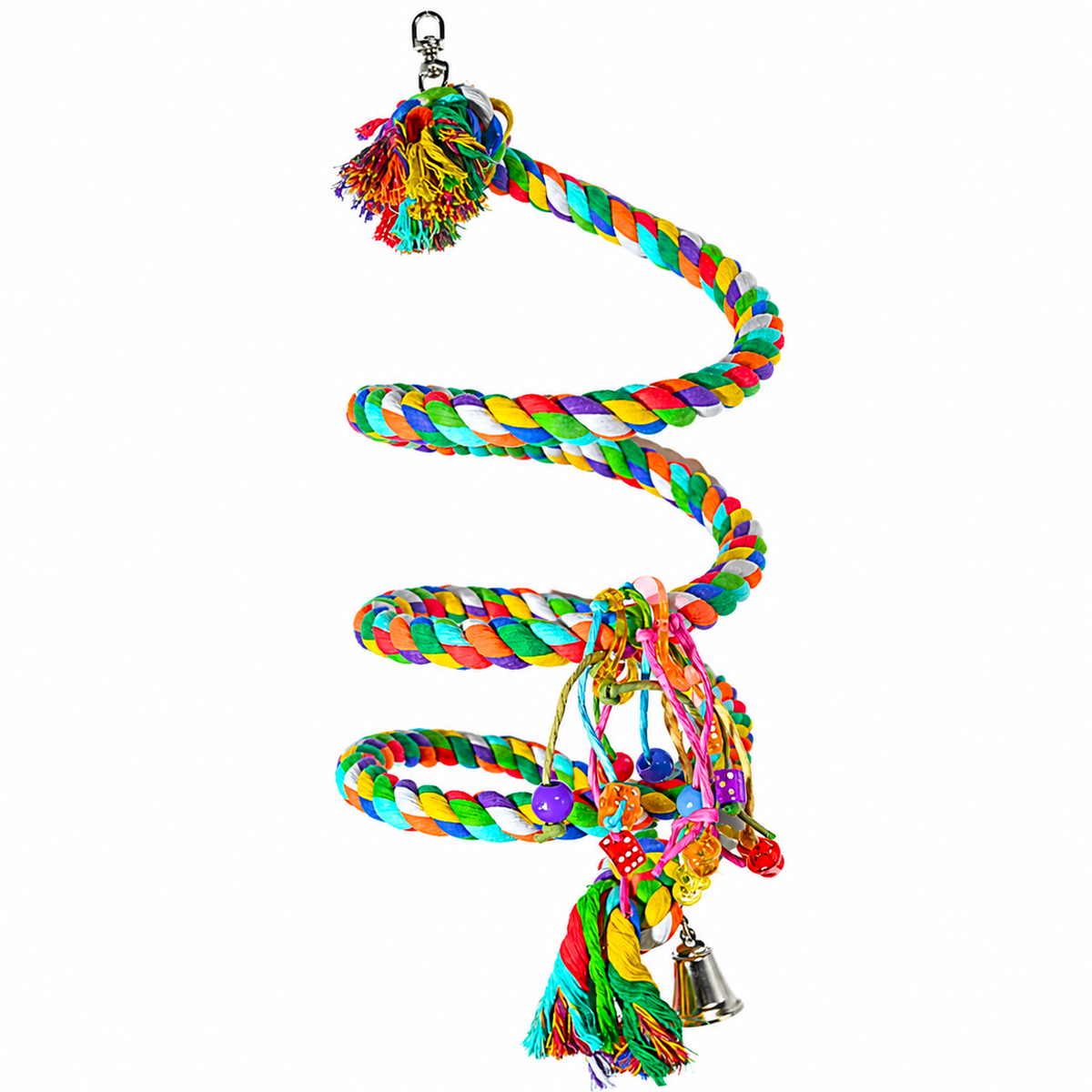
1962 Huge Rope Boing
For safety and exercise. Supports climbing, balance, movement, and active play.
Shop Now
2755 Mahogany Chomp
For safety and chewing. Helps satisfy natural beak activity with durable chew texture.
Shop Now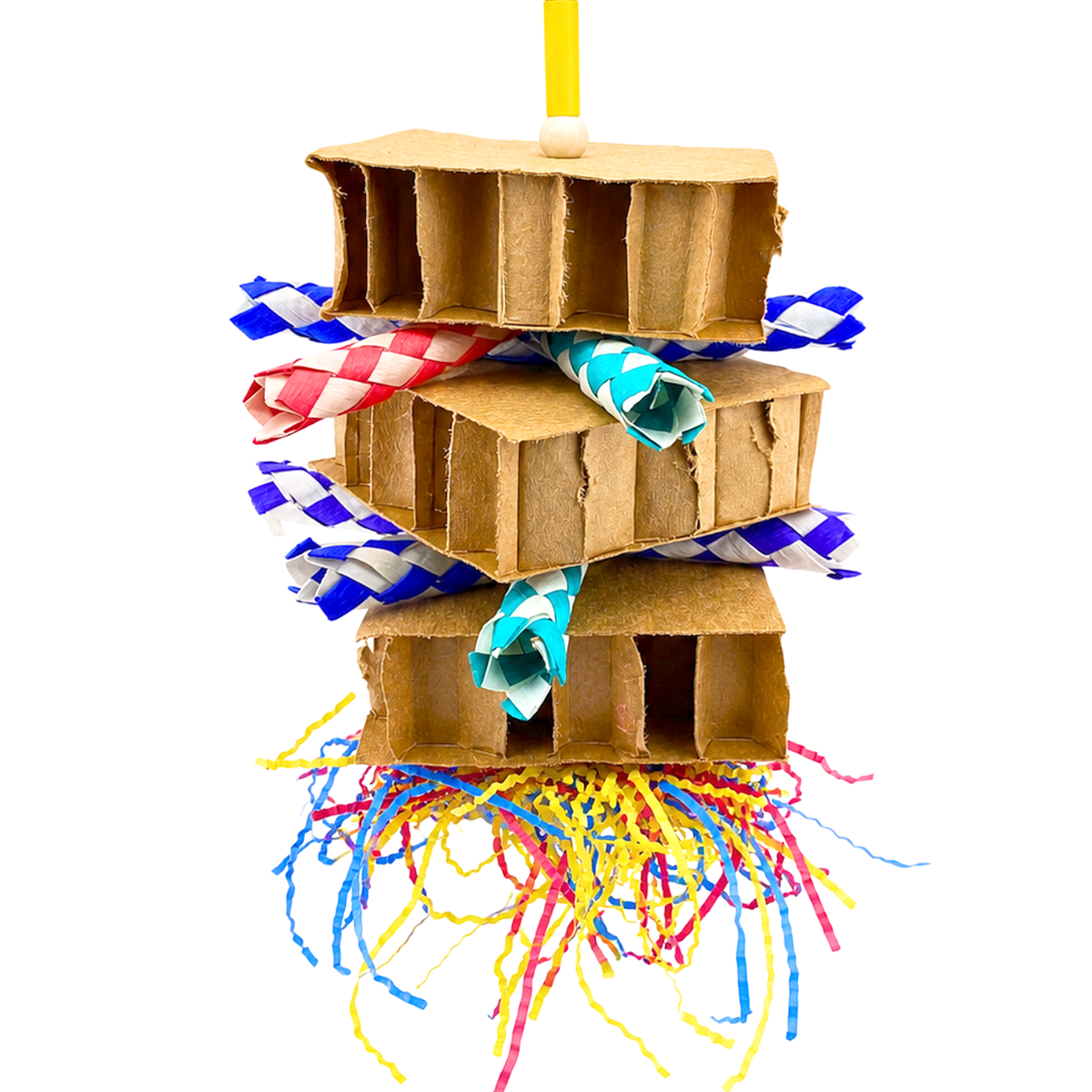
3734 Clown Box
For safety, shredding, and mental health. Great for busy birds that love to tear and explore.
Shop Now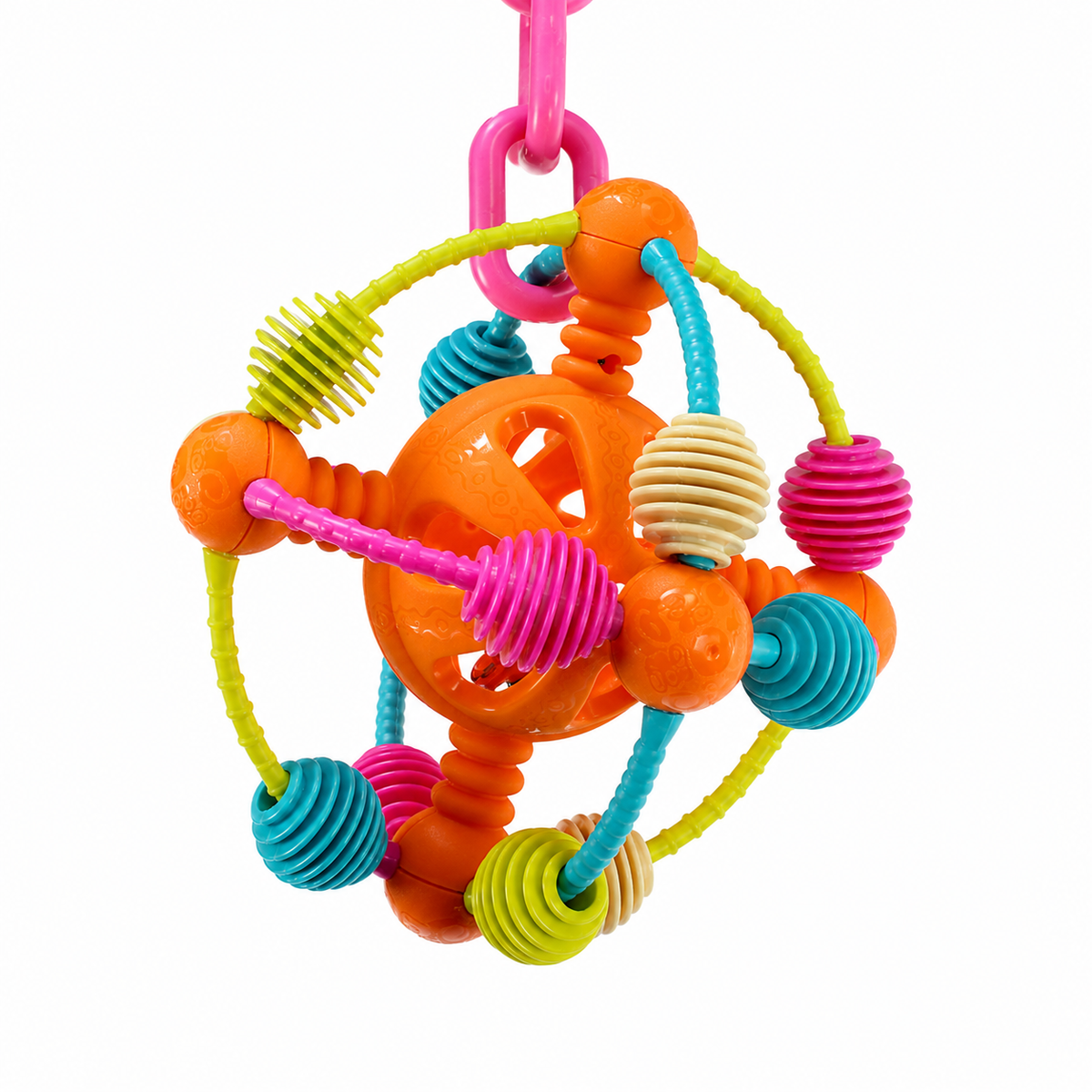
2200 Huge Orbit
For safe plastic discussion and active enrichment. Inspect regularly for confident, safe play.
Shop Now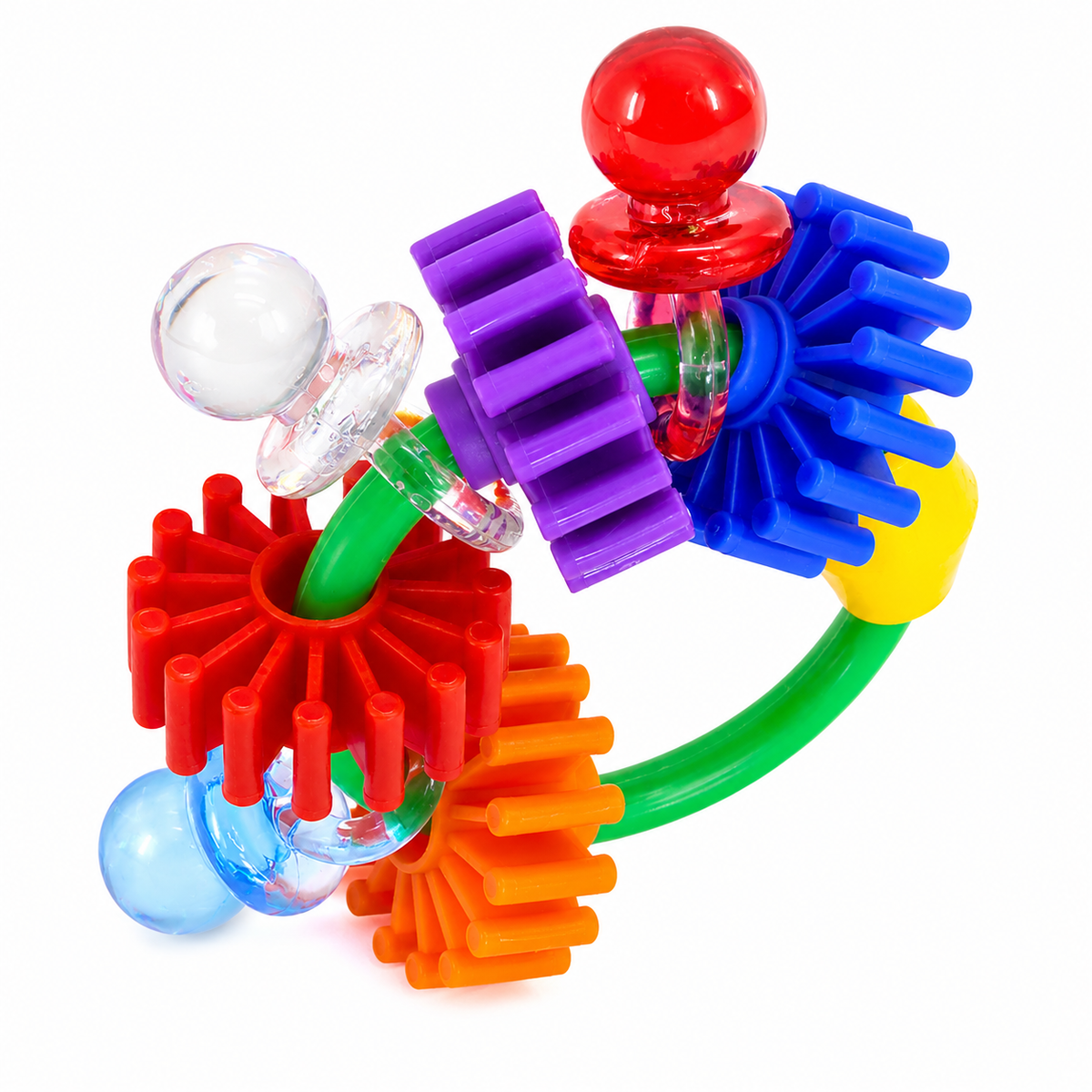
3608 Gear Ring
For foot toy enrichment. Encourages handling, curiosity, coordination, and supervised play.
Shop NowBuild a Better Enrichment Routine
Support your parrot’s mental health with safe toys for chewing, shredding, foraging, exercise, and foot play.
Shop Bonka Bird ToysShare This Article
Help other parrot parents learn how safe bird toys improve mental health, enrichment, and daily activity.
Frequently Asked Questions
Do parrots really need toys for mental health?
Yes. Toys provide enrichment, choice, movement, and problem solving. They help parrots express natural behaviors in a safe home environment.
What types of toys are best for bored parrots?
A mix of foraging toys, chew toys, shredding toys, rope boings, climbing toys, and foot toys gives the best variety.
How often should I rotate bird toys?
Many parrot owners rotate toys weekly, while keeping a few trusted favorites available. Always inspect toys before returning them to the cage.